

Buying a new home is one of the biggest financial decisions you’ll ever make — and in the whirlwind of closing paperwork, it’s easy to accept a builder insurance referral without giving it much thought. Your builder hands you a recommended carrier. Your lender suggests one too. You sign, close, and move on with your life.
But here’s the problem: neither the builder nor the lender is shopping for insurance with your best interests in mind.
The Problem With a Builder Insurance Referral
When a builder recommends an insurance company, it’s usually part of a broader business relationship — and that relationship comes with incentives that have nothing to do with your coverage needs.
- The policy is built around the builder’s interests, not yours. A typical builder insurance referral is often structured to meet volume commitments or referral incentives for the builder, not to reflect your home, your belongings, or your risk tolerance.
- You may be paying the “builder rate,” not your rate. These referred policies are frequently priced as a blanket rate applied across many buyers. If you have strong credit, a clean claims history, or other factors that typically qualify for discounts, you could be leaving real savings on the table.
The Problem With a Lender Referral
Lender referrals have a different — but equally important — issue: lenders care about the loan, not the house.
A lender’s primary concern is your debt-to-income ratio and making sure you have enough coverage to satisfy the mortgage requirement. That’s it. As a result, we see clients who were placed into policies with:
- The lowest dwelling coverage limit the carrier allows
- Minimum required coverages across the board, with little thought as to what it would actually cost to replace the home.
The Common Thread: Cheapest Isn’t Always Safest
Whether it comes through a builder insurance referral or a lender recommendation, the underlying incentive is often the same: get the price as low as possible, even if that means sacrificing coverage that actually matters, such as:
- Replacement cost coverage on personal contents (instead of actual cash value, which factors in depreciation and can leave you significantly underpaid in a claim)
- Reasonable deductibles that don’t leave you scrambling to cover thousands of dollars out of pocket after a loss
A low premium feels good at closing. Filing a claim and realize your coverage doesn’t come close to covering what you lost, does not. The Insurance Information Institute has more on how to think through the right amount of dwelling and contents coverage for your home.
What to Do If You Accepted a Builder Insurance Referral
If you purchased your home insurance through a builder or lender referral, second options are FREE. Get more info here: https://www.ccinsfl.com. In many cases, we find that clients can get:
- Coverage that actually fits their home and their belongings
- Discounts they qualified for but never received
- A lower overall cost — not a higher one — once the policy is properly matched to their situation
Getting the right coverage and a better price aren’t mutually exclusive. Often, they go hand in hand once someone takes the time to actually shop and structure your policy correctly.
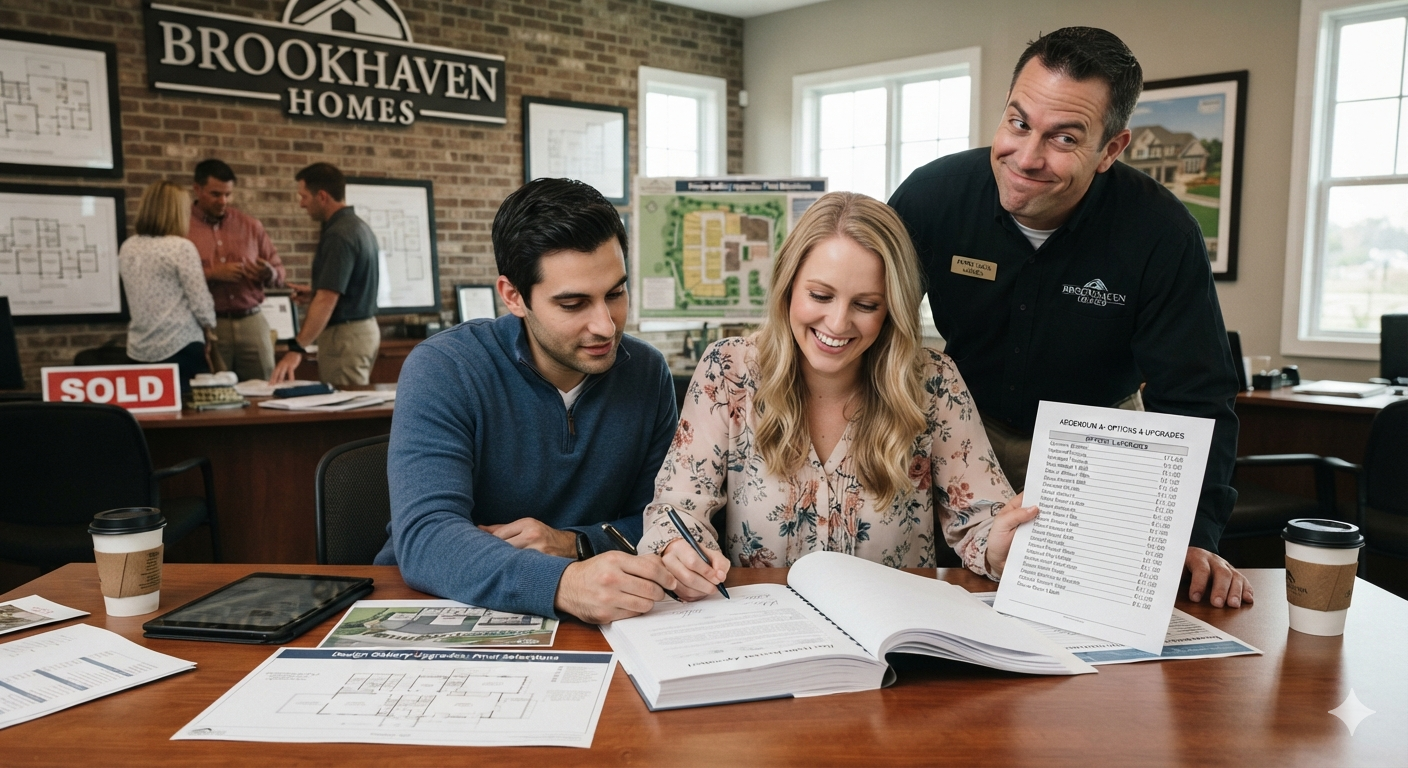
If it’s been a year or more, now is a great time for a free second opinion. You might be surprised what you’re missing — and what you could be saving.
Call our office or email us for your second opinion.
813-575-3737
Jeff@ccinsfl.com