

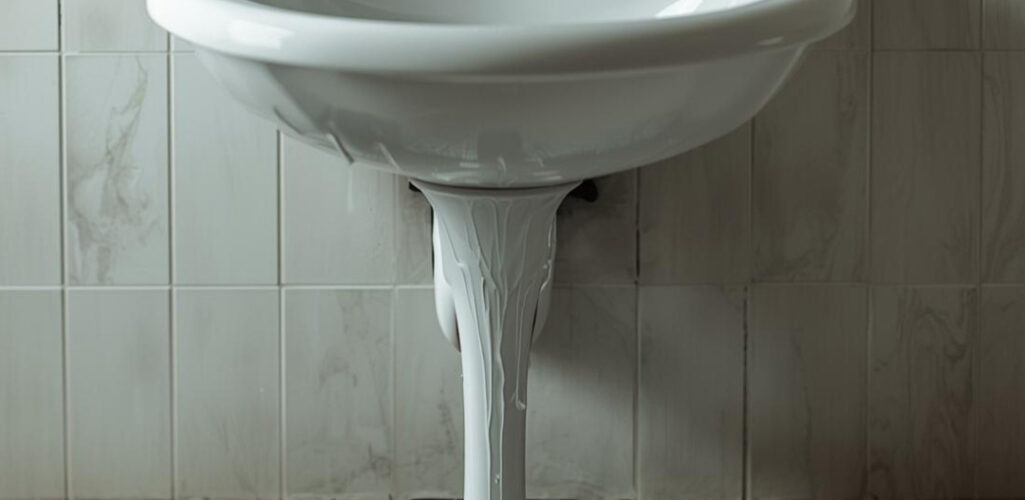
Imagine waking up to a finished basement filled with three inches of dark, murky water. It isn’t a pipe leak; it’s a sewer line backing up through your floor drains, or a sump pump that finally gave up during a midnight thunderstorm.
The mess is overwhelming, but the real shock comes when you call your insurance company. Without a specific Water Backup and Sump Overflow Endorsement, your standard homeowners policy likely won’t pay a dime for the cleanup or the ruined furniture.
Here is the “gross but true” reality of how this coverage works and why your home needs it.
The Gap in Your Standard Policy
Most homeowners assume that “water damage” is a blanket term. In the insurance world, it’s much more specific.
A standard policy usually covers “sudden and accidental” internal issues, like a burst pipe. However, water that enters the home from the outside in—meaning it backs up through sewers or drains or overflows from a sump pump—is almost always excluded by default.
What is the Water Backup Endorsement?
This is a simple add-on (an “endorsement”) that bridges that gap. It provides protection for:
- Sewer Backups: When the municipal sewer line gets blocked and pushes waste back into your home.
- Sump Pump Failure: When your pump loses power, the motor burns out, or it simply can’t keep up with heavy rainfall.
Small Price, High Return
Insurance can be expensive, but this is one of the most cost-effective upgrades available.
Depending on your location and the amount of coverage you choose, adding this protection typically costs between $50 and $150 per year. Compare that to the average cost of a basement backup, which often exceeds $10,000 once you factor in professional mitigation, drywall replacement, and new flooring.
Why Every Home Needs It (Even Without a Basement)
You might think, “I don’t have a basement, so I’m safe.” Think again.
- Slab Homes: A backup can happen in your shower, tub, or kitchen sink.
- Upper Floors: In condos or multi-story homes, a blockage in a main line can cause backups in the lowest drains of that specific unit.
How Much Coverage Should You Get?
When we add this to a policy, we look at two main factors:
- The Cleanup: Professional remediation companies are necessary to handle “black water” (sewage) safely. This is labor-intensive and pricey.
- The Contents: If your basement is finished with a home theater, gym equipment, or stored keepsakes, you need a limit high enough to replace those items.
Limits usually start at $5,000 and can go up to $50,000 or more. For most finished basements, we recommend at least $10,000 to $25,000 to stay protected.
Take Action Before the Next Storm
Standard homeowners insurance is great for many things, but it leaves a massive hole where your sewer line and sump pump are concerned. Don’t wait until you’re standing in a puddle to find out if you’re covered.
Check your policy declarations page. If you don’t see “Water Backup” or “Sump Overflow” listed, you are likely self-insuring that risk.