The arrival of spring isn’t just about warmer weather; for the construction industry, it marks the beginning of the “big push.” As the ground thaws and daylight stretches longer, project pipelines swell. However, this surge in productivity brings a parallel surge in complexity and liability.
A Busy Season Ahead: The Pressure Cooker Effect
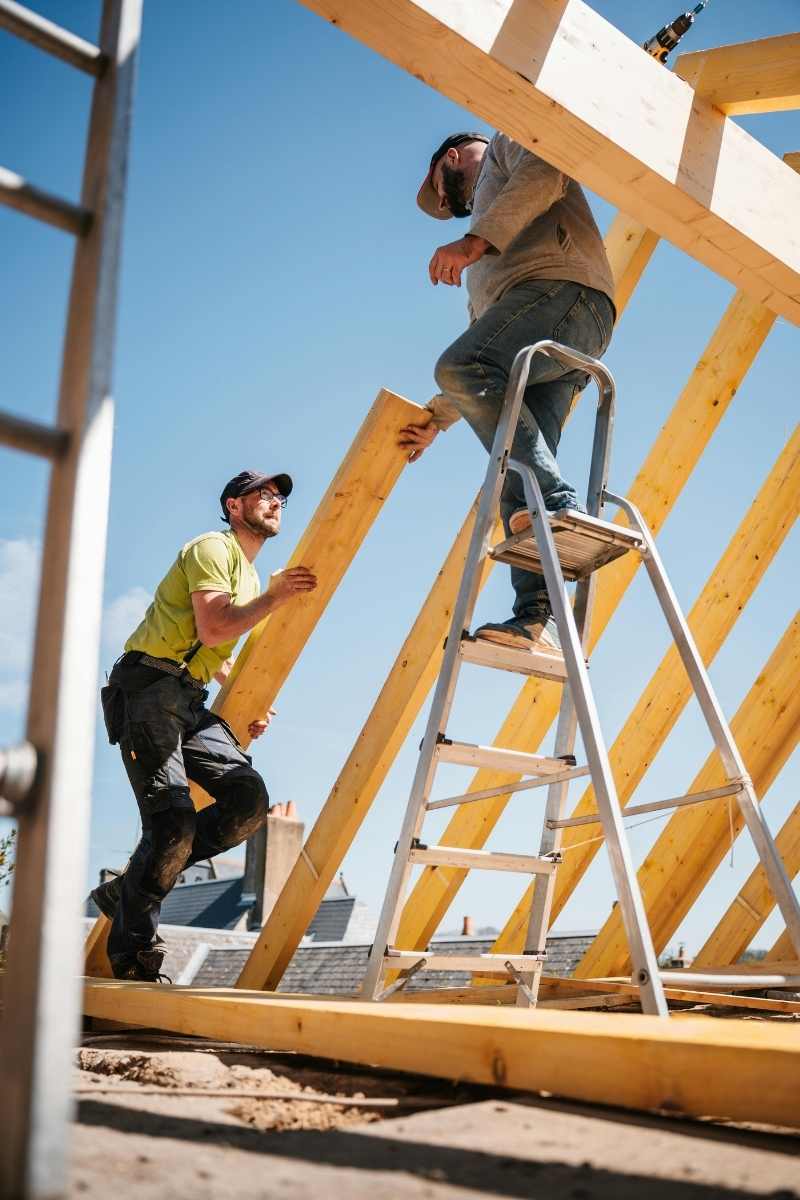
Spring and early summer bring a massive uptick in construction activity. While a full schedule is great for the bottom line, it creates a “pressure cooker” environment on-site.
- Tight Deadlines: The rush to complete phases before mid-summer heat or autumn rains can lead to corner-cutting.
- Congested Job Sites: More trades working in the same footprint increases the likelihood of “struck-by” accidents or property damage.
- Fatigue: Longer hours and physical labor under the sun can lead to lapses in judgment, making accidents more a matter of “when” than “if.”
Understanding the Risks: More Than Just “Slips and Falls”
From equipment theft to job site injuries, the range of potential risks is broad and often interconnected.
- General Liability (GL): This is your first line of defense against third-party claims. If a delivery driver trips over debris or a passerby is injured by falling materials, GL is what keeps a lawsuit from shuttering your business.
- Workers’ Compensation: Your crew is your most valuable asset. With increased activity comes a higher frequency of overexertion, falls from heights, and machinery-related injuries. Proper coverage ensures your employees get the care they need while protecting you from direct litigation.
Protecting Tools and Equipment: The Cost of Downtime
Your tools are the lifeblood of your operation. Unfortunately, high-activity seasons also see a spike in Inland Marine claims (coverage for products, materials, and equipment in transit or on-site).
Pro Tip: Modern thieves track busy job sites. High-value assets like generators, skid steers, and specialized power tools should not only be insured but also tracked with GPS and secured behind telematics-enabled locks.
Damage or theft doesn’t just cost the price of the tool; it costs the billable hours lost while waiting for a replacement.
Managing Subcontractors: Closing the Loophole
One of the biggest “silent” risks is the use of subcontractors. If a sub is underinsured or carries an expired policy, the liability often “flows up” to the general contractor.
- Verify Certificates of Insurance (COI): Never take a verbal “I’m covered” as gospel. Ensure their limits match the project requirements.
- Additional Insured Status: Ensure you are named as an “Additional Insured” on their policy to provide an extra layer of protection.
- Indemnity Agreements: Use clear contracts that define who is responsible when things go wrong.
Preparing Before Peak Season: A Proactive Blueprint
Taking time to review your policies before the season reaches its peak can help ensure your business is prepared for the increased activity. A strong approach to risk management allows contractors to stay focused on delivering quality work, even during the busiest times of year.
- Conduct a “Safety Stand-Down”: Before the heat hits, gather the crew for a refresher on PPE and site protocols.
- Audit Your Inventory: Ensure your scheduled equipment list is up to date. If you bought new gear over the winter, make sure it’s on the policy.
- Consult Your Agent: A quick check-in can reveal if your current limits are sufficient for the larger-scale projects you’ve taken on this year.
Let’s Build a Stronger Plan for the Season Ahead
As projects pick up, it’s a smart time to take a closer look at your current coverage. Reviewing your policies, equipment protection, and subcontractor requirements can help you stay aligned with the demands of the season.
Don’t wait for a claim to find the gaps in your armor. Reach out today to start the conversation and explore options that support your business as it grows.