

When you shop for homeowners coverage, you will likely see two policy forms: the HO3 and the HO5. Both protect your home. However, they treat your belongings very differently. In this guide, we explain HO3 vs HO5 insurance in plain English, including open peril vs named peril coverage and real claim examples.
The short answer: HO3 vs HO5 insurance
Most homeowners carry an HO3, the most common policy form. An HO5 steps things up because it also covers your belongings on an open peril basis. As a result, you get broader protection for your furniture, electronics, clothing, and jewelry.
What does open peril vs named peril mean?
These two terms decide how an insurer handles your claim.
- Open peril (also called “all risk”): The policy covers any cause of loss unless it lists that cause as an exclusion. Therefore, the insurer must point to a specific exclusion to deny your claim.
- Named peril: The policy covers only the causes of loss it lists, such as fire, lightning, windstorm, theft, and vandalism. If the cause doesn’t appear on the list, the policy doesn’t pay.
In short, open peril is generally broader because the exclusions list sets the limits.
HO3 vs HO5 coverage comparison
| Coverage | HO3 | HO5 |
|---|---|---|
| Dwelling (your home’s structure) | Open peril | Open peril |
| Other structures (fence, shed, detached garage) | Open peril | Open peril |
| Personal property (your belongings) | Named peril | Open peril |
| Personal property valuation | Often actual cash value unless upgraded | Often replacement cost |
| Typical cost | Lower | Higher |
| Typical eligibility | Wide range of homes | Often newer, well-maintained, or higher-value homes |
Valuation and eligibility vary by carrier. Therefore, confirm the details on any quote you receive.
HO3 vs HO5 claim examples
Here is how the difference could play out. However, actual results depend on your policy wording, endorsements, and deductibles.
Example 1: A kitchen fire
Fire is a named peril, and no exclusion applies. As a result, both policies respond, and both cover your dwelling and your belongings.
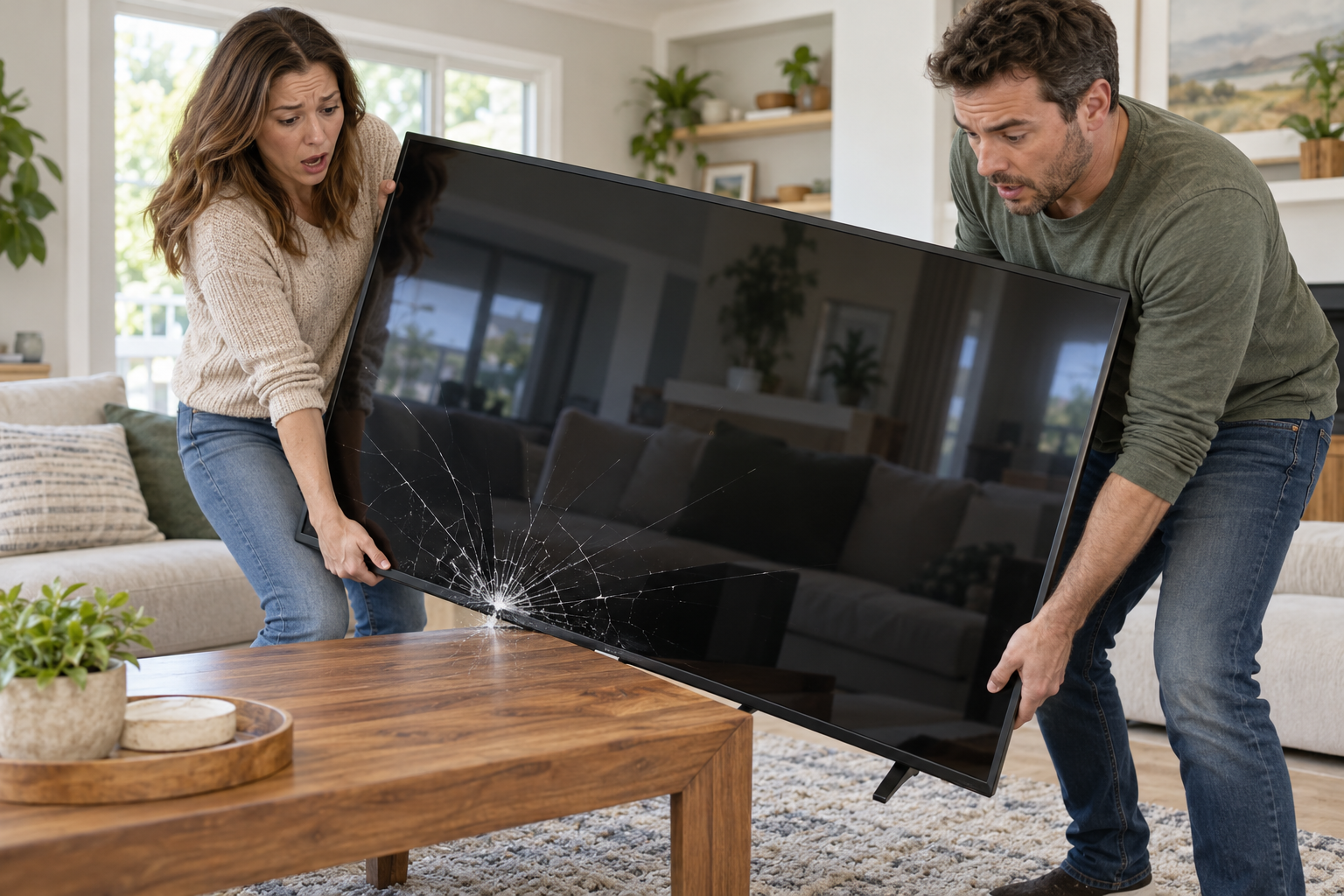
Example 2: A flat-screen TV breaks while you move furniture
Accidental breakage usually doesn’t appear on the list of named perils for belongings. Therefore, an HO3 may deny the claim for the TV. On the other hand, an HO5 may pay it unless an exclusion applies.
Example 3: A laptop falls off the counter and cracks
The situation is similar here. Likewise, an HO5 is more likely than an HO3 to cover accidental damage to personal property.
Example 4: A ring disappears and you can’t say how
Insurers call this “mysterious disappearance,” and it generally isn’t a named peril. As a result, an HO3 may not pay. An HO5 may cover the ring, although special limits on jewelry still apply.
Example 5: A pipe bursts and ruins your floors and furniture
Both forms generally cover sudden and accidental water damage to the structure and your belongings. In this case, you usually see no difference between the two.
What neither an HO3 nor an HO5 covers
Open peril doesn’t mean the policy covers everything. In fact, both forms typically exclude:
- Flood: You need a separate flood policy.
- Sinkhole and earth movement: Coverage requires an endorsement or a separate Florida sinkhole provision.
- Wear and tear, neglect, and maintenance issues
- Pest damage and, in many situations, mold
- High-value items above special limits: Jewelry, firearms, and collectibles need scheduling for full coverage.
Also, a separate hurricane deductible usually applies to hurricane losses in Florida, no matter which form you choose. For more on how homeowners policies work in the state, see the Florida Office of Insurance Regulation’s homeowners insurance page.
Should you choose an HO5 over an HO3?
An HO5 may fit you well if you:
- Own a lot of electronics, furniture, or valuable personal property
- Want replacement cost coverage on your belongings
- Want fewer coverage gaps for accidental damage
- Own a newer home that meets the carrier’s eligibility standards
On the other hand, an HO3 may be enough if you:
- Have a modest amount of personal property
- Want the lowest premium
- Plan to add endorsements, like replacement cost on contents or scheduled items
Many homeowners find that an HO3 with the right endorsements closes most of the gap. Still, comparing both quotes side by side shows exactly what the extra coverage costs.
HO3 vs HO5 insurance FAQ
What is the main difference between an HO3 and an HO5?
Both forms cover the structure on an open peril basis. However, an HO5 also covers personal property on an open peril basis, while an HO3 covers it for named perils only.
Is an HO5 better than an HO3?
An HO5 offers broader coverage. However, it usually costs more and has stricter eligibility rules. Ultimately, the right choice depends on your belongings, budget, and home.
Can I get an HO5 in Florida?
Availability depends on the carrier and the home. For instance, not every company offers an HO5 in Florida, and some require newer or well-maintained homes.
Does an HO5 cover flood or hurricanes?
Neither form covers flood. However, both generally cover windstorm and hurricane damage, although hurricane claims carry a separate deductible.
Get a free HO3 vs HO5 insurance quote comparison
Not sure which form fits your home? We compare options from multiple carriers and explain the coverage differences in plain language. In addition, C & C Insurance Solutions helps Tampa-area homeowners find the right protection at a fair price.
C & C Insurance Solutions
4538C West Village Drive, Tampa, FL 33624
Phone: 813-575-3737
Email: Jeff@ccinsfl.com
Website: www.ccinsfl.com
This content is for general informational purposes only and does not alter or replace the terms of any insurance policy. Coverage, eligibility, and pricing vary by carrier and policy.